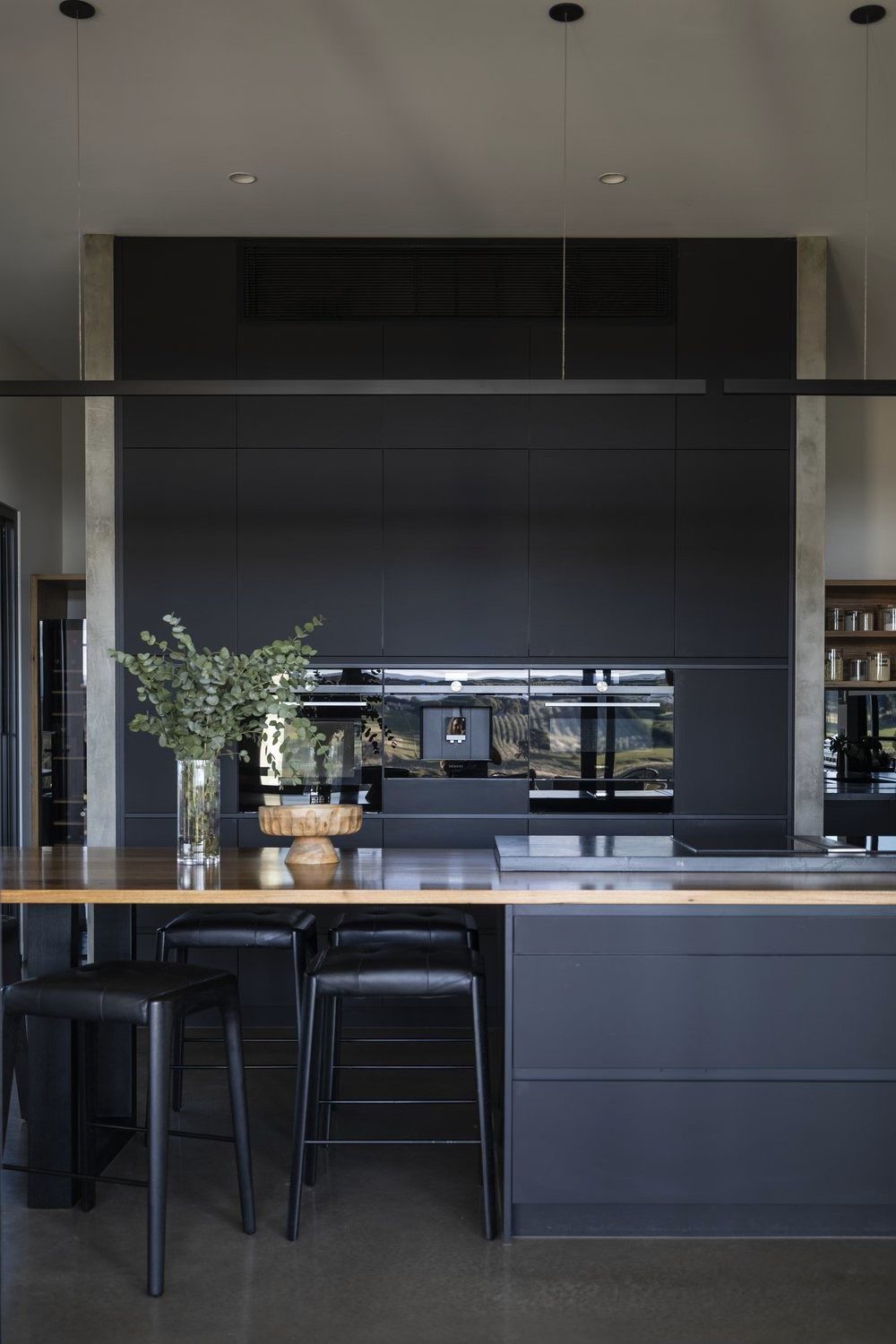
Kitchen cabinet replacement costs in Australia
Cabinetry is almost always the largest single cost in a kitchen renovation — typically 40–55% of total project budget. Understanding what you're paying for at each level of the market is essential before you get quotes.
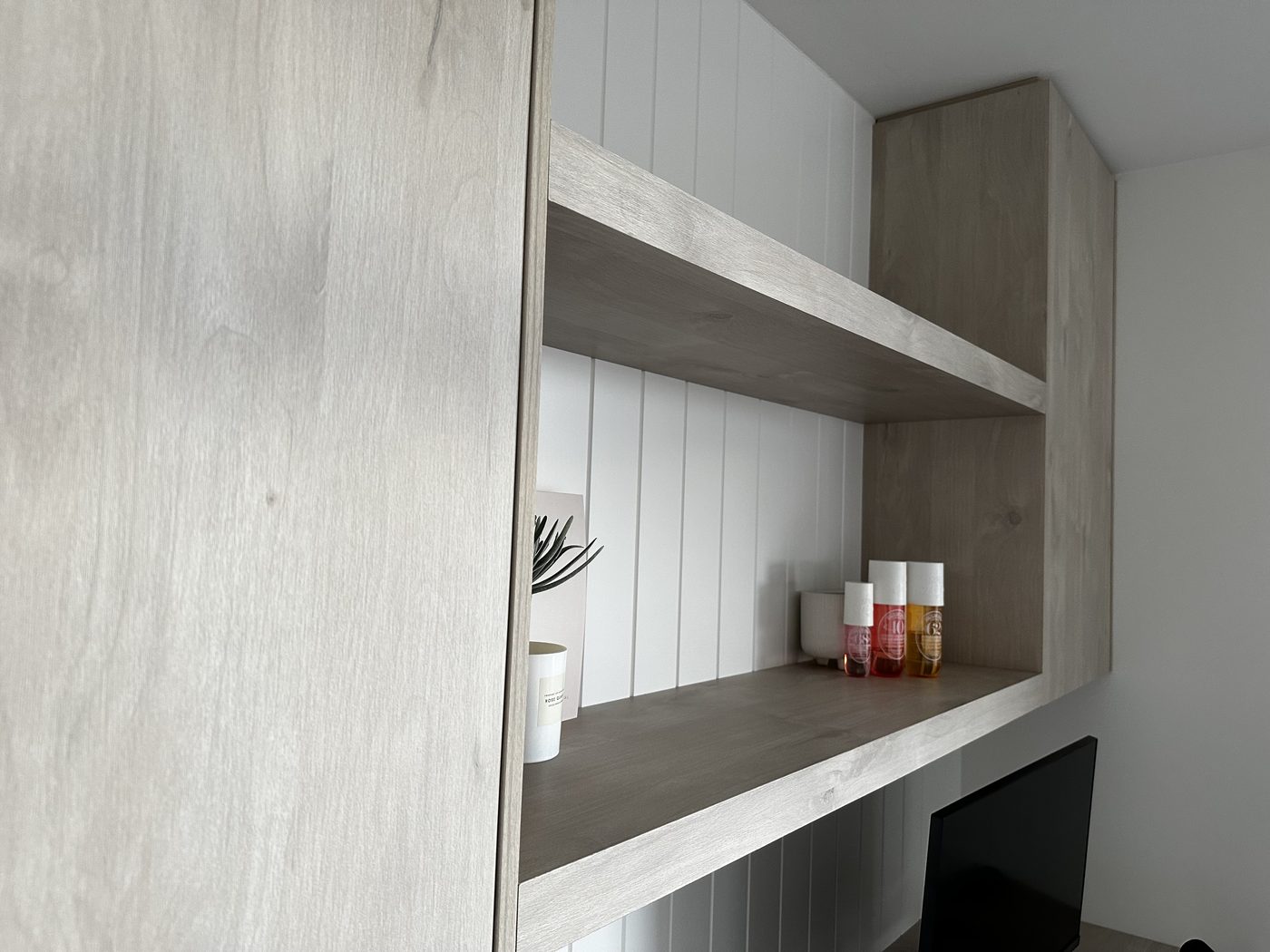
Cabinet types and cost ranges
| Cabinet type | Supply cost | Installation | Total typical range |
|---|---|---|---|
| Flat-pack (DIY install) | $3,000–$7,000 | $0 (self-install) | $3,000–$7,000 |
| Flat-pack (trade install) | $3,000–$7,000 | $2,500–$4,500 | $5,500–$11,500 |
| Semi-custom (rigid box) | $7,000–$14,000 | $2,500–$4,500 | $9,500–$18,500 |
| Fully custom (cabinet maker) | $16,000–$35,000+ | Included | $16,000–$40,000+ |
What determines cabinet cost
Box construction. Flat-pack uses particleboard with a melamine finish. Semi-custom typically uses moisture-resistant MDF or particleboard with a more consistent finish. Custom cabinets may use plywood carcasses, which are stronger and more moisture resistant.
Door style and finish. A polyurethane (2PAC) finish costs significantly more than a thermolaminated door. Custom profiles, inset doors, and detailed mouldings add cost.
Hardware. Blum, Hettich, and Häfele soft-close drawer systems and hinges vary significantly in price. Quality hardware makes a bigger daily-use difference than most homeowners expect.
Internal storage. Pull-out bins, drawer organisers, corner solutions, and internal drawer systems all add to cost but represent good value for the functionality they provide.
Where joiners wish clients spent more
Experienced cabinet makers consistently say the same thing: spend more on drawers, not doors. Deep drawer banks versus shelved lower cabinets transform storage usability. The cost difference is modest; the daily impact is significant.
Flat-pack vs custom — which is right for you?
Flat-pack is rational for: rental properties, short-term ownership, tight budgets, and standard kitchen layouts where the sizing works. The gap in quality is real but not enormous at entry level, and the cost saving is substantial.
Custom joinery is worth it for: unusual spaces that don't accommodate standard sizing, long-term owner-occupiers, premium properties where finish quality affects resale value, and anyone who uses their kitchen heavily and values storage engineering.